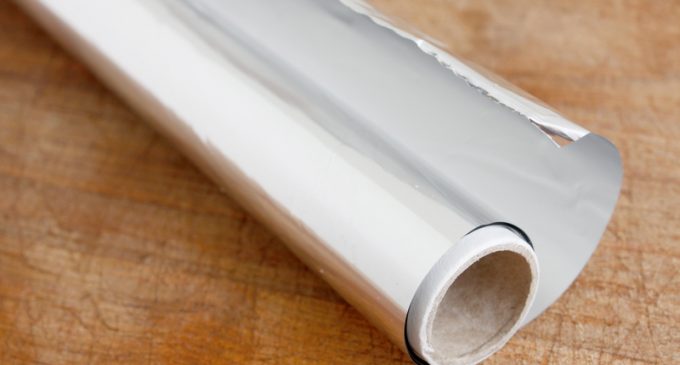
Here are three common baking and cooking situations where either parchment paper or aluminum foil might be called for, and the appropriate choice for each. Turns out, sometimes the choice isn't an either/or situation!
Check This Out…
1 Roasting Veggies in the Oven: Either
Parchment paper is safe up to 420°F, so if you are roasting vegetables at a temperature above that (say 450°F or 500°F), you’ll need to use foil. If you prefer slow-roasting veggies at a lower oven temperature, you can line the pan with either—though, if you do use foil, go with nonstick. “With either foil or parchment paper, drizzle veggies with a little olive oil before roasting and season lightly so you can enjoy their natural yummy flavors,” Brown says.Some recipes will call for wrapping firm vegetables—such as potatoes, beets, and corn, and even whole carrots and green beans—in aluminum foil before placing them in the oven. Why? It helps them cook to tender perfection. “With potatoes, some people like the really soft skin on the potato,” Schweitzer says. “And other people love that outer, dry, potato skin-style potato. If you want the soft, moist potato, wrap it in foil.”
2 Roasting Chicken or Turkey in the Oven: Heavy Duty Foil
There are two ways to use foil when making a chicken or a turkey. If you’re cooking at a higher oven temperature (which speeds up cooking time), you can wrap the turkey with foil to prevent it from drying out—no basting required. “Simply line a pan with foil, put the turkey in the foil-lined pan and brush it with oil,” Brown says. “Add seasoning, wrap the turkey in the additional sheet of foil, leaving a little opening on each side for heat circulation, and cook at 450°F.” Thirty minutes before the bird is done cooking, unwrap it to allow the exterior to brown.If you’re cooking your bird at 325°F, keep it moist by tenting it instead. Place the turkey on a foil-lined pan, season, and top with the foil “tent” during the first hour of baking. Remove the foil and continue roasting until the bird is golden brown, with crispy skin all over. Parchment is not nearly as malleable as foil, so even though you are cooking at a lower oven temperature, you will not be able to form the tented shape.
3 Cooking Food on the Grill: Heavy Duty Foil
Parchment isn’t suitable for a hot grill, so any time you’re grilling you’ll want to reach for foil. A foil packet works great for steaming fruit, veggies, or shellfish—simply place the ingredients in the center of a piece of foil, connect the long sides over the food, and roll down twice. Then, roll each short edge twice, leaving enough room for the steam to vent. If you’re grilling steak or burgers, place the cooked meat underneath a foil tent when resting to lock in its juices.
Finished!
Woah, Did You Know About This At All? If Soo Tell Us What You Think.
Happy Baking & Enjoy!
Article Source: Real Simple

Stuff about Crock Pot Healthy Recipes are why I like facebook
On the show with Ree Drummond, have you noticed she tears the foil off the roll, always in a straight line, no tears. It’s never in a box. How do they do that?
Good question, plus they never have trouble with plastic wrap.