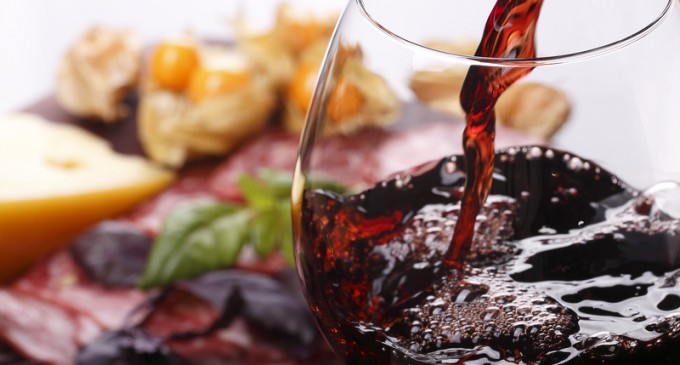
If you're wondering just how Chua and Lee plan to make synthetic wine that tastes as good as the real thing, we have the full explanation for you here. However, not everyone is convinced that this effort will be successful.
Check Out What They Said…
Traditionally, wine is made by fermenting grapes – yeast turns sugars in the grape juice into ethanol. The process also develops many hundreds of flavour compounds, but takes time and produces variable results. Could there be a simpler way?
Within days, Chua had begun tinkering, combining ethanol with fruity flavour compounds like ethyl hexanoate, which has a fruity, pineapple-like aroma. The initial concoction was monstrous, he says. But six months later, Chua and Lee now think they have produced an experimental synthetic wine that mimics the taste of the sparkling Italian white wine Moscato d’Asti (see our tasting notes below), and are now turning their hands to producing an imitation Dom Pérignon champagne.
A flavour in a haystack
Wine wouldn’t be the first drink to be artificially mimicked (see “Faking a flavour”, below), but it could be the most complex.For all the world’s love of wine, our understanding of which components are most important for the taste and finish of a wine is patchy at best. A bottle usually contains around 1000 different compounds, making the challenge of identifying those that are fundamental for flavour significant.
So the team decided to combine chemistry with the expert taste buds of a qualified sommelier. Using gas chromatography mass spectrometry and other tools, the team analysed the composition of wines including Chardonnay, champagne and Pinot Noir, identifying key flavour molecules – like the esters ethyl isobutyrate and ethyl hexanoate – and their concentrations (see graphic below).
They then mixed these molecules and tinkered with their proportions, and had their sommelier test their resulting concoctions.
Tony Milanowski, a winemaking expert at Plumpton College in the UK, has his doubts. Some flavour compounds like fatty acids and esters may be difficult to dissolve straight into a synthetic batch. These are usually produced as microbes ferment the grapes, gradually releasing the chemicals in forms that are able to mix with the other compounds present.
But Chua and Lee are not deterred. “The big secret here is that most compounds in wine have no perceptible impact on the flavour or the aroma,” says Lee.
Would You Ever Drink Synthetic Wine?
Do you think it's possible to make lab-created wine that tastes just like the kind that's been grown on the vine and then aged for years?
Tell Us What You Think Below!
Article Source: New Scientist

There are no comments at the moment, do you want to add one?
Write a comment